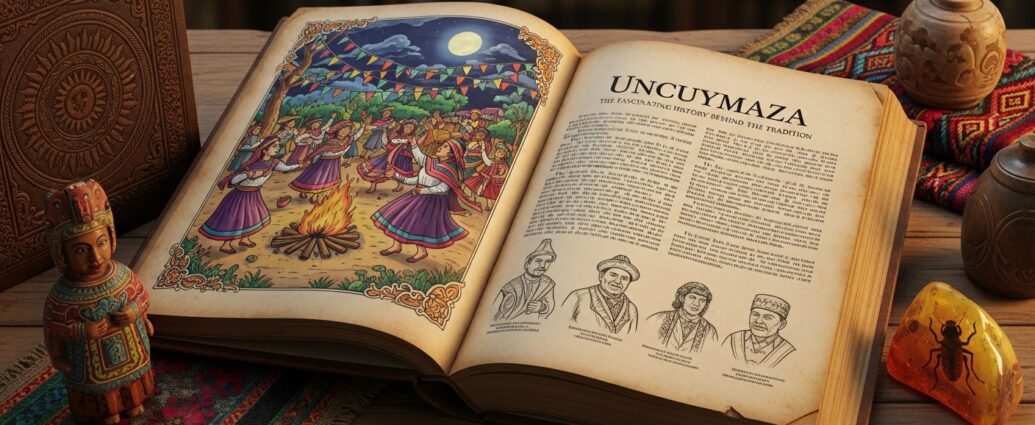
Uncuymaza is more than just a tradition; it’s a vibrant tapestry of culture and history that has woven itself into the fabric of Andean life. Nestled in the heart of Peru, this ancient practice offers insights into the beliefs and values of its people. With roots that stretch back to the Incan Empire, Uncuymaza serves as a bridge linking past and present. The colorful celebrations, rituals, and deep symbolism surrounding it make for an intriguing exploration. Join us as we delve deeper into the fascinating story behind Uncuymaza—an extraordinary blend of heritage, spirituality, and community spirit waiting to be discovered!
Origins of Uncuymaza
The origins of Uncuymaza trace back to the ancient Inca civilization. This tradition is deeply rooted in their agricultural practices and spiritual beliefs.
Historically, it served as a ritual performed during critical points in the crop cycle. Farmers would seek blessings for bountiful harvests. The connection between humans and nature was paramount to the Incas.
Uncuymaza blends elements of reverence, community, and celebration. As crops flourished, so did social bonds within communities that participated in these rituals together.
Ancient texts and oral traditions hint at its significance beyond mere agriculture. It symbolized harmony with earth’s cycles—a philosophy integral to Incan life.
As centuries passed, this custom has evolved but retains echoes of its beginnings. The spirit of cooperation remains central even today, showcasing how past influences shape present practices surrounding Uncuymaza.
The Significance of Uncuymaza in Incan Culture
Uncuymaza holds profound significance in Incan culture, serving as a bridge between the living and the spiritual world. This ancient tradition is not merely a ritual; it embodies the Inca’s deep connection to nature and their ancestors.
The practice involves intricate ceremonies that honor agricultural cycles. By performing Uncuymaza, communities express gratitude for bountiful harvests. It reinforces social bonds among villagers, creating a sense of unity as they come together to celebrate.
Moreover, Uncuymaza reflects rich cosmological beliefs. The Incas viewed themselves as custodians of land and resources, emphasizing respect for Pachamama—Mother Earth. Through this ritual, they acknowledge her vital role in sustaining life.
Artistic expressions are also woven into Uncuymaza’s fabric. Colorful textiles and vibrant dances tell stories of creation and fertility. Each element serves not just aesthetic purposes but also communicates cultural heritage across generations.
Traditional Practices and Ceremonies
Traditional practices surrounding Uncuymaza are deeply rooted in history. They often involve vibrant ceremonies that connect participants to their ancestry. Rituals frequently include offerings to Pachamama, the Earth Mother, demonstrating respect for nature.
Dancers clad in colorful attire perform intricate steps, embodying the spirit of their ancestors. Music fills the air with traditional instruments like flutes and drums, creating an atmosphere steeped in cultural significance.
Participants gather around sacred sites, where they engage in communal feasts that highlight local ingredients. These gatherings serve as a reminder of shared heritage and community bonds.
Ceremonies are typically timed with agricultural cycles, celebrating planting or harvesting seasons. This connection underscores the importance of agriculture within Incan culture and its enduring impact today. Each event is unique but shares a common thread: reverence for tradition and celebration of identity through lively expressions of art and spirituality.
Modern Adaptations of Uncuymaza
Modern adaptations of Uncuymaza reflect a vibrant blend of tradition and contemporary influences. As society evolves, so do the practices surrounding this ancient ritual.
Many communities now incorporate urban elements into their celebrations. Festivals attract diverse audiences, showcasing traditional music alongside modern performances.
Artisans create unique crafts that merge classic designs with modern aesthetics. This fusion allows younger generations to connect with their heritage while expressing individual creativity.
Social media also plays a crucial role in promoting Uncuymaza today. Virtual platforms help spread awareness and engage people globally, inviting them to participate in or learn about the tradition from afar.
Educational workshops are becoming more common as well. They aim to teach not only the historical significance but also practical skills related to rituals and ceremonies associated with Uncuymaza.
This evolution demonstrates how cultural traditions can thrive by adapting to changing times while still honoring their roots.
Controversies Surrounding the Tradition
Uncuymaza, while deeply rooted in cultural significance, has not escaped its share of controversies. Some critics argue that commercialization threatens its authenticity. Tourists flock to experience this ancient tradition, and the influx can dilute its true essence.
Additionally, debates arise over ownership and representation. Who gets to perform these rituals? This question sparks tension within communities striving to preserve their heritage while also adapting to modern influences.
Environmental concerns are another layer in the discussion. The traditional practices often involve natural resources that need sustainable management. As lifestyles change, striking a balance between reverence for tradition and ecological responsibility becomes crucial.
Generational divides play a role; younger members may view Uncuymaza differently than their elders. Their interpretations can lead to disagreements about how best to honor this significant aspect of Incan culture.
Preservation and Future of Uncuymaza
Preserving Uncuymaza is crucial for maintaining cultural identity in the Andes. Efforts are underway to document its rituals and significance, ensuring future generations understand this rich tradition.
Local communities play a vital role in these preservation initiatives. They organize workshops and events that highlight Uncuymaza, inviting younger members to participate actively.
Moreover, collaboration with anthropologists and historians can help create educational programs. These programs aim to raise awareness about the importance of keeping traditions alive amidst modernization.
Social media has emerged as a powerful tool for sharing stories related to Uncuymaza. Engaging content reaches wider audiences, sparking interest among those who may not be familiar with the practice.
As globalization continues to influence cultures worldwide, challenges remain. However, fostering pride in heritage could pave the way for a renewed appreciation of traditions like Uncuymaza in contemporary society.
Conclusion
Uncuymaza is more than just a tradition; it is a living testament to the rich tapestry of Incan culture. Its origins trace back to ancient times, embodying values and beliefs that have been handed down through generations. The significance of Uncuymaza in Incan society highlights its role as a pivotal cultural practice that connects people with their history.
Through traditional practices and ceremonies, communities celebrate this unique heritage, fostering unity and identity among participants. Yet, as we navigate modern adaptations of Uncuymaza, the essence remains intact despite evolving interpretations.
However, not all aspects are universally embraced. Controversies surrounding the tradition spark important discussions about authenticity and cultural appropriation. These debates remind us of the complexity intertwined within such historical practices.
As efforts continue towards preservation, it’s clear that Uncuymaza holds an enduring place in both local traditions and broader discussions about cultural heritage. Its future will depend on how communities choose to adapt while honoring its profound roots. This vibrant tradition invites everyone to explore deeper connections with their ancestry and share stories that resonate across time.