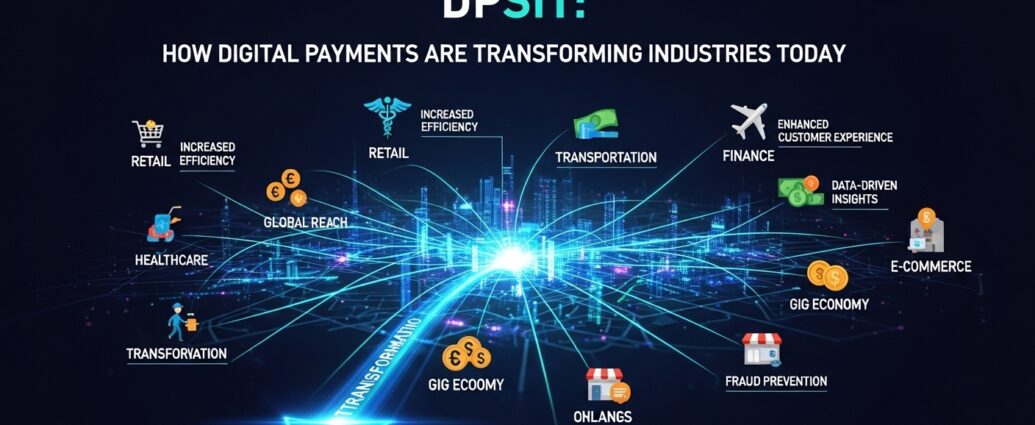
DPSIT payments have become a cornerstone of modern commerce, reshaping how transactions are conducted across various industries. As businesses and consumers alike embrace these technologies, the term DPSIT has emerged as a buzzword representing this digital payments shift. From contactless cards to mobile wallets, the landscape is evolving rapidly. This transformation not only enhances convenience but also opens doors to innovative solutions that drive growth in sectors once thought resistant to change.
As we delve into the world of digital payments, we’ll explore their profound impact on businesses and how they revolutionize everything from retail to banking and healthcare. Join us in discovering why DPSIT is more than just a trend—it’s a movement that’s changing the way we think about money management and transactional relationships today.
Benefits of Digital Payments for Businesses
Digital payments are changing the way businesses operate. They offer speed and efficiency that traditional methods can’t match. Transactions happen in real-time, improving cash flow and reducing waiting times.
Cost-effectiveness is another major advantage. Businesses save on handling cash, transportation, and even bank fees associated with processing physical payments. This allows companies to allocate resources more efficiently.
Additionally, digital payment systems enhance security. They reduce the risks of theft associated with cash transactions while offering multiple layers of encryption to protect sensitive customer data.
Customer satisfaction improves as well. Shoppers appreciate seamless checkout experiences and diverse payment options like mobile wallets or online banking transfers.
These benefits create a competitive edge for businesses willing to embrace DPSIT solutions in their operations. The shift towards digital payments is not just advantageous; it’s becoming essential for growth in today’s marketplace.
Impact on the Retail Industry
The retail industry is experiencing a seismic shift with the rise of digital payments. Shoppers now expect seamless transactions, and businesses are responding quickly.
Point-of-sale systems that accept DPSIT mobile wallets have become commonplace. This convenience enhances customer experiences, leading to increased loyalty.
Moreover, data analytics from digital payment platforms provide insights into consumer behavior. Retailers can tailor promotions and stock based on real-time purchasing trends.
Contactless payments are also speeding up checkout lines, reducing wait times and boosting sales volume during peak hours. Customers appreciate efficiency; retailers benefit in return.
Digital payments enable omnichannel shopping as well. Consumers can browse online but complete their purchases in-store or vice versa without hassle.
This transformation not only drives revenue growth but also fosters a more innovative retail landscape where technology meets consumer needs seamlessly.
Revolutionizing the Banking Sector
Digital payments are reshaping the banking sector in remarkable ways. Traditional brick-and-mortar banks face new competition from fintech companies that offer seamless online services.
Customers now expect quick and efficient transactions. This shift prompts banks to adopt digital payment solutions that enhance user experience. Instant transfers, mobile wallets, and contactless payments have become standard offerings.
Moreover, digital payments improve security measures within banking systems. Advanced encryption technology protects sensitive information while minimizing fraud risks. Customers feel more secure knowing their funds are safe.
Banks can also analyze consumer behavior through data gathered from digital transactions. This insight enables them to tailor products and marketing strategies effectively.
As customer expectations evolve, so too must the banking landscape adapt to meet those needs head-on. Embracing these changes will be crucial for staying competitive in a rapidly digitizing world.
Advancements in Healthcare through Digital Payments
Digital payments are reshaping healthcare, making transactions smoother for patients and providers alike. Patients can now settle bills quickly through mobile apps or online portals, reducing wait times and improving overall satisfaction.
Healthcare institutions benefit from increased efficiency. Automated payment systems minimize the need for manual processing, allowing staff to focus on patient care rather than paperwork. This shift enhances operational productivity and reduces administrative costs.
Moreover, DPSIT payments facilitate better tracking of health expenses. Patients gain insights into their spending patterns, helping them manage budgets more effectively. Insurance claims can also be processed faster when integrated with digital payment solutions.
Telemedicine is another area thriving due to these advancements. Virtual consultations often require upfront payments made seamlessly through secure platforms, eliminating barriers that might deter patients from seeking care remotely.
With each innovation in digital payment technology, healthcare continues moving toward a more accessible future where financial transactions support better health outcomes.
The Role of Digital Payments in E-commerce
Digital payments have become the backbone of e-commerce, enhancing customer experiences and streamlining transactions. With just a few clicks, consumers can purchase products from anywhere in the world.
The convenience offered by digital payment methods boosts shopping cart conversions. Customers appreciate quick checkouts that save time and provide instant gratification. This ease encourages impulse buying, ultimately driving sales for businesses.
Security is another critical factor. Advanced encryption technologies protect sensitive data during transactions, building trust between retailers and customers. As a result, shoppers feel more comfortable making purchases online.
Moreover, integrating diverse payment options caters to various consumer preferences. Whether it’s credit cards, mobile wallets or cryptocurrency, offering multiple choices enhances user satisfaction and widens market reach.
As e-commerce continues to grow rapidly, embracing innovative digital payment solutions will be essential for staying competitive in this dynamic landscape.
Challenges and Solutions for Implementing Digital Payments
Implementing digital payments can bring significant challenges for businesses. One major hurdle is the initial investment in technology and infrastructure. Many companies hesitate to allocate funds, fearing low returns.
Security concerns also pose a challenge. Cybersecurity threats are on the rise, making businesses wary of potential breaches that could expose sensitive customer information.
User adoption is another crucial factor. Some consumers may be reluctant to switch from traditional payment methods due to unfamiliarity or lack of trust in digital platforms.
However, solutions do exist. Investing in robust cybersecurity measures can build consumer confidence. Offering incentives for early adopters encourages more users to embrace digital transactions.
Education plays a vital role as well; providing resources about safety and benefits can demystify these systems for customers. Additionally, collaborating with established fintech companies can ease the transition by leveraging their expertise and technology solutions tailored for seamless integration into existing workflows.
Future Predictions and Opportunities for Growth
The future of digital payments is poised for significant evolution. As technology advances, we can expect even greater integration of artificial intelligence and machine learning. These tools will enhance security measures and streamline user experiences.
Emerging markets will likely see a surge in digital payment adoption. Increased smartphone penetration makes it easier for consumers to engage with e-commerce platforms. This trend opens doors for businesses seeking new customer bases.
Blockchain technology could revolutionize transaction processes further, offering decentralized solutions that increase transparency and reduce fraud risks.
Moreover, the rise of contactless payments is set to transform everyday transactions, making them faster and more convenient than ever before.
As these trends unfold, companies that embrace innovation within their payment systems stand to gain a competitive edge in an increasingly digitized economy. The landscape is rich with potential—both for growth and enhanced consumer engagement.
Conclusion
DPSIT payments are not just a trend; they represent a fundamental shift in how industries operate. The benefits for businesses are clear: increased efficiency, reduced costs, and improved customer satisfaction. Traditional sectors like retail and banking have embraced these changes, leading to more seamless experiences for consumers.
Healthcare is seeing remarkable advancements due to digital payment solutions. Patients can now pay bills online or through mobile apps, leading to quicker transactions and better record-keeping. E-commerce continues to thrive as digital payments streamline shopping experiences while enhancing security.
However, the journey toward widespread adoption isn’t without challenges. Issues such as cybersecurity threats and infrastructure limitations need addressing for successful implementation of DPSIT strategies.
Looking ahead, the potential for growth within this sector remains immense. As technology evolves further—think AI-driven fraud detection or blockchain integrations—the possibilities seem endless.
This transformation is reshaping not only how we conduct transactions but also how industries will define their futures in an increasingly digital world.