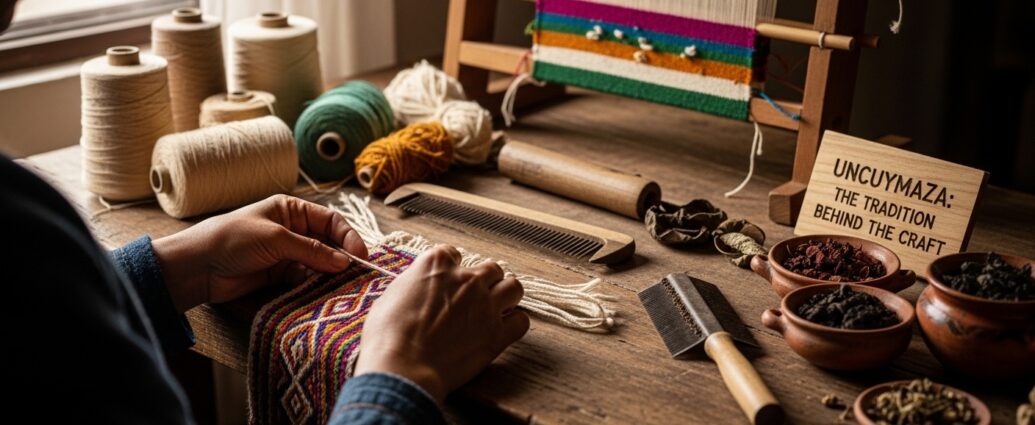
Uncuymaza is more than just a craft; it’s a vibrant tapestry woven into the rich heritage of Andean culture. Each piece tells a story, echoing the traditions and values passed down through generations. As artisans skillfully create these unique works, they connect with their ancestors and breathe life into age-old practices. This captivating artform not only showcases remarkable talent but also serves as a window into the heart and soul of Andean communities. Join us as we explore the fascinating world of Uncuymaza—its history, significance, and revival in modern times.
History and Origin of the Craft
The craft of Uncuymaza has deep roots in Andean culture, tracing back centuries. Its origins are intertwined with the daily lives and spiritual practices of indigenous communities.
Traditionally, artisans created these pieces for both functional and ceremonial purposes. Each item tells a story that reflects the beliefs and values of their ancestors.
As Spanish colonization swept through South America, many indigenous crafts faced decline. However, Uncuymaza persisted as a symbol of resistance and cultural identity.
Artisans adapted techniques over time while maintaining the essence of their heritage. This evolution allowed Uncuymaza to flourish despite external pressures.
Today’s craftsmen honor this rich history by incorporating ancient methods alongside modern influences. The legacy continues to thrive through generations who respect its significance within Andean society.
Materials Used in Uncuymaza
The heart of Uncuymaza lies in its materials. Artisans select natural fibers that are both durable and beautiful. Common choices include alpaca wool and sheep’s wool, known for their warmth and softness.
These fibers are often dyed using traditional methods. Natural dyes from plants and minerals create rich colors, reflecting the landscape of the Andes. The vibrant hues tell stories of the region’s culture.
In addition to wool, artisans might incorporate cotton or synthetic blends to enhance texture. Each material contributes to the overall feel of the final piece.
Crafting tools also play a vital role. Handlooms, spindles, and weaving needles are essential for creating intricate patterns unique to each artisan’s style. The combination of these elements results in stunning textiles that not only serve practical purposes but also carry deep cultural significance throughout Andean communities.
The Process of Making Uncuymaza
Crafting Uncuymaza is a meticulous journey that blends artistry with tradition. It begins with the selection of high-quality materials, often sourced locally to ensure authenticity.
Artisans typically use sheep’s wool or alpaca fibers, chosen for their durability and vibrant colors. These raw materials undergo washing and dyeing using natural pigments derived from plants and minerals.
Once prepared, the weaving process commences on traditional looms. Each artisan has unique techniques passed down through generations. The rhythmic motion of the loom creates intricate patterns that tell stories of ancestral heritage.
Attention to detail is paramount. Artisans spend hours perfecting each piece, ensuring it reflects both skill and cultural significance. This labor-intensive craft not only produces beautiful textiles but also preserves an essential part of Andean identity for future generations.
Significance and Symbolism of Uncuymaza in Andean Culture
Uncuymaza holds profound significance in Andean culture, serving as a bridge between the past and present. This craft is not merely an art form; it embodies ancestral wisdom and community identity.
Each piece tells a story, reflecting the beliefs and traditions of those who create them. The intricate designs often symbolize natural elements—mountains, rivers, and animals—integrating spirituality with everyday life.
Moreover, Uncuymaza fosters social cohesion. When artisans gather to share techniques or celebrate their heritage, they reinforce bonds that transcend generations.
The act of crafting goes beyond individual expression; it becomes a communal ritual steeped in cultural pride. As such, Uncuymaza plays a vital role in preserving stories that might otherwise fade away amidst modernization.
In every thread woven into its fabric lies hope for continuity and resilience within the rich tapestry of Andean civilization.
Modern Adaptations and Revival of Uncuymaza
In recent years, Uncuymaza has found its way into contemporary art and fashion. Designers are incorporating traditional motifs into their collections, giving this ancient craft a modern twist.
Artisans are experimenting with color palettes and materials that appeal to younger audiences while still honoring the craft’s roots. This fusion allows for innovation without losing the essence of what Uncuymaza represents.
Workshops and community initiatives have sprung up, encouraging new generations to learn these skills. They provide hands-on experiences that foster appreciation for cultural heritage.
Social media plays a pivotal role in this revival as well. It showcases artisans’ work globally, connecting them directly with consumers who seek authenticity in their purchases.
This blend of tradition and modernity breathes new life into Uncuymaza, ensuring it remains relevant while continuing to resonate with people around the world.
Preserving the Legacy of Uncuymaza
Preserving the legacy of Uncuymaza is crucial for future generations. This intricate craft carries stories, traditions, and cultural significance that connect communities to their roots.
Artisans are now focusing on teaching younger generations the skills required to create these beautiful pieces. Workshops and local classes play a vital role in this process. They ensure that the techniques remain alive amid modernization.
Collaboration with cultural organizations also aids in raising awareness about Uncuymaza. Exhibitions highlight its beauty while emphasizing its importance within Andean culture.
Sustainable practices are being embraced by contemporary makers as well. Using eco-friendly materials ensures that the craft evolves without harming the environment.
Social media platforms have become powerful tools for sharing knowledge and inspiration related to Uncuymaza’s artistry, reaching audiences far beyond traditional borders. This digital age offers an opportunity for global appreciation of this heritage craft, fostering a community dedicated to its preservation.
Conclusion
Uncuymaza represents more than just a craft; it embodies the rich cultural tapestry of the Andean people. This unique tradition weaves together history, artistry, and community values. Each piece tells a story that connects generations past with those present.
Today’s artisans are not only preserving these age-old techniques but also breathing new life into them. By adapting to modern tastes while honoring traditional methods, they ensure that Uncuymaza remains relevant in contemporary society.
As interest grows globally for authentic handmade crafts, Uncuymaza stands out as a symbol of resilience and heritage. The dedication to keeping this tradition alive is crucial for future generations who will continue to appreciate its beauty and significance.
Supporting artisans helps maintain these vital connections within communities and promotes cultural awareness worldwide. Engaging with crafts like Uncuymaza allows us all to celebrate diversity through art while cherishing our shared human experience.